Sod Installation in Nantucket, MA
Instant, established lawn from professionally installed sod, with the soil preparation island ground needs to root fast and hold.
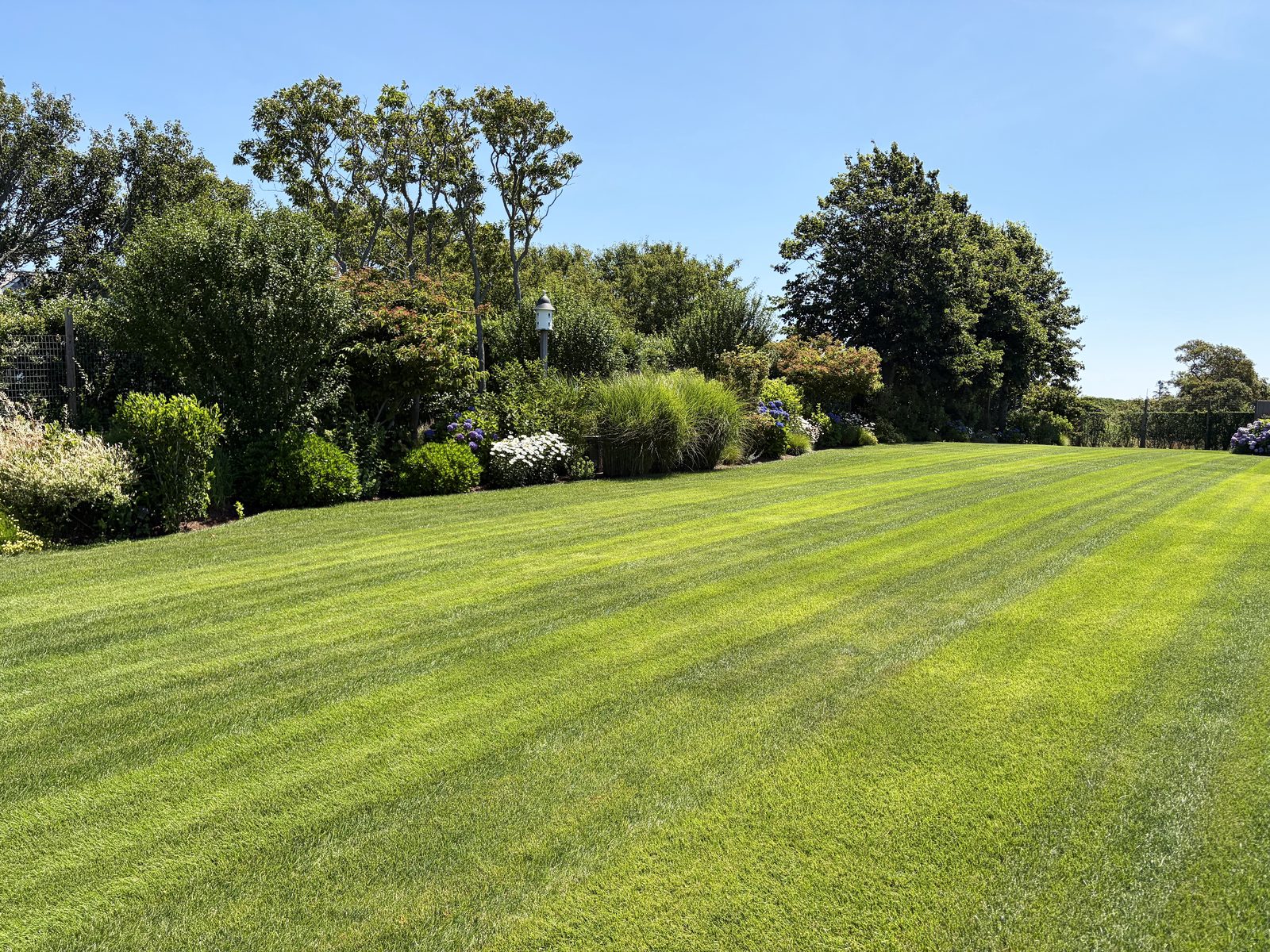
Sod delivers a finished, usable lawn in a single day rather than the weeks of babysitting a seeded lawn demands, an advantage that matters on Nantucket where the growing season is short and summer foot traffic is heavy. It also stabilizes bare or graded soil immediately, resisting the wind erosion that carries loose sandy soil away before seed ever germinates. For new construction, renovations, and worn areas, sod is often the surest path to a lawn that survives an island summer.
The difference between sod that knits down and sod that dries out is what happens under it. Nantucket's fast-draining sandy soil sheds water and nutrients quickly, so Ryan Conway prepares the bed with quality loam and amendments, grades it for drainage, and lays sod tightly with staggered seams and firm contact so roots reach into the soil below. He selects turf blends suited to sun, salt exposure, and island conditions, then sets up the watering plan that gets it through those critical first weeks.
What's included
- Removal of old turf or debris and site preparation
- Grading and quality loam and amendments to enrich sandy island soil
- Turf selection matched to sun, shade, and salt exposure
- Tight installation with staggered seams and firm soil contact
- Rolling and initial watering to establish root-to-soil contact
- Watering and early-care guidance through the critical establishment weeks
How the work goes
- Clear the ground and assess it honestly. Existing turf, weeds, and construction debris come off, and the soil underneath gets a proper look. Sandy island soil and disturbed building sites usually need more help than the surface suggests.
- Amend and grade. Organic matter is worked in so the new lawn has something that holds moisture and nutrient, then the surface is graded to shed water away from the house and to take out the hollows that scalp under a mower.
- Firm and fine-grade. The bed is rolled or firmed and raked to an even surface. Soft spots left at this stage become visible depressions in the finished lawn.
- Lay the sod. Rolls go down with tight, staggered seams, cut in cleanly around beds and hardscape, and rolled so the sod is in real contact with the soil rather than bridging over air pockets.
- Water in and hand over a schedule. The first watering is heavy enough to reach through the sod into the soil below, and you get a clear schedule for the establishment weeks, which is when the result is actually decided.
What to think about before you start
The real choice is sod against seed. Sod gives immediate cover, holds sandy soil against wind and rain straight away, and can go down through most of the season, which matters on a property that is about to be used. Seed costs considerably less and, given the right window and patient watering, establishes a deeply rooted lawn. But bare seeded ground on an exposed island site can wash or blow before it ever germinates.
Either way the preparation is identical, and that is where the money should go. Sod laid over unprepared sand looks perfect for a month and then stalls, because the roots have nowhere good to grow into. It is also worth deciding how much of the property should be lawn at all, based on where people actually walk and sit and how much watering you want to commit to.
When it happens
Sod can go down through most of the growing season provided it can be watered consistently, but spring and early fall give the kindest establishing conditions. Midsummer installation is possible and demands the most water and the most discipline.
Let's make your property the best-kept on the block.
Tell us about your property and what you have in mind. We'll walk it with you and put together a clear, honest plan — no pressure, no job too big or small.